Choosing the best time to visit Jordan can significantly affect your experience – from hiking comfortably through Petra’s canyons to floating in the Dead Sea or stargazing in Wadi Rum. This guide breaks down every season so you can plan the perfect 2026 Jordan trip.
Jordan’s Climate Overview
Jordan’s climate varies significantly by region:
- Western highlands (Amman, Petra, Jerash): Mediterranean climate – warm dry summers, mild wet winters. Snow occasionally in winter.
- Jordan Valley and Dead Sea (-430 m elevation): Very hot summers, mild winters, very little rain
- Wadi Rum and southern desert: Hot dry summers, cold winters with near-freezing nights
- Aqaba (Red Sea coast): Hot all year, extremely hot in summer, warm and pleasant in winter
Spring: March – May (Best Overall)
Spring is Jordan’s golden season and the best time for most travelers:
- Temperatures: 18-28°C in Petra and Amman; ideal hiking weather
- Wildflowers bloom across Jordan’s highlands from late February to April
- Green landscapes that will surprise visitors who expect only desert
- Excellent light for photography – clear skies with occasional dramatic clouds
- Peak tourism season: popular sites are busy, book accommodation early
- Easter and spring break periods are especially crowded
The best spring window is mid-March through April – after winter rains have greened the hills but before summer heat arrives.
Summer: June – August (Challenging but Possible)
Summer is the least popular season for hiking and cultural sites:
- Temperatures: 35-40°C in Wadi Rum; 30-35°C in Amman and Petra highlands
- Aqaba and the Dead Sea: 35-40°C (fine for swimming, brutal for sightseeing)
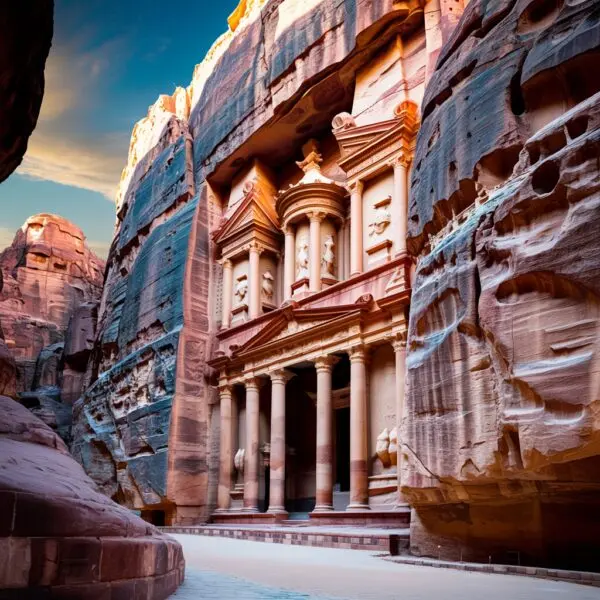
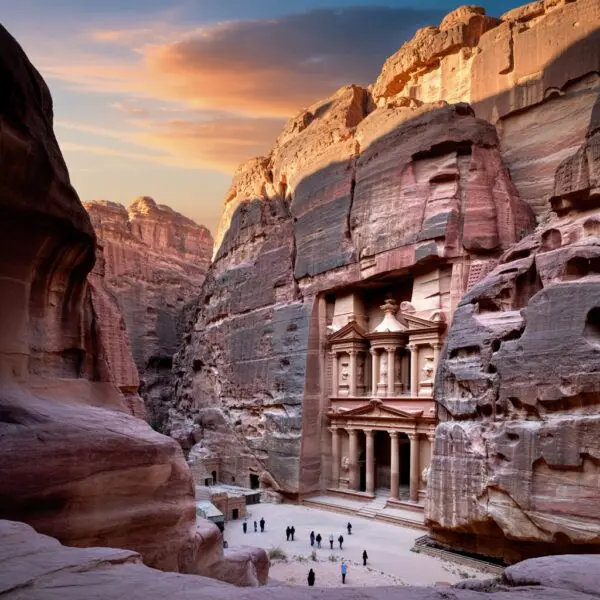
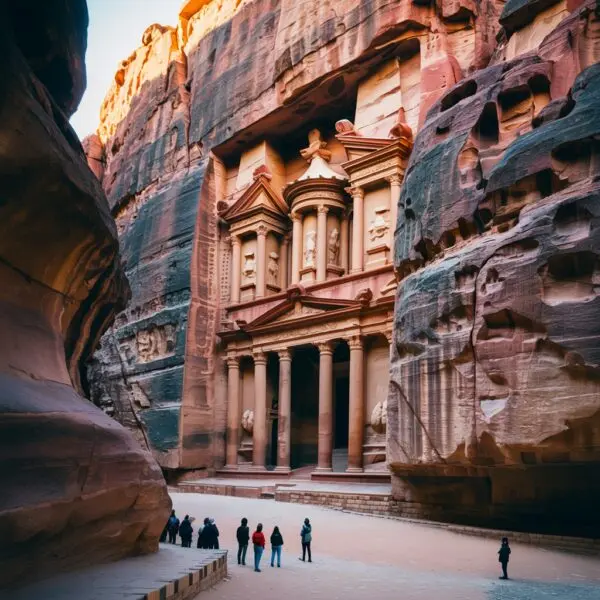
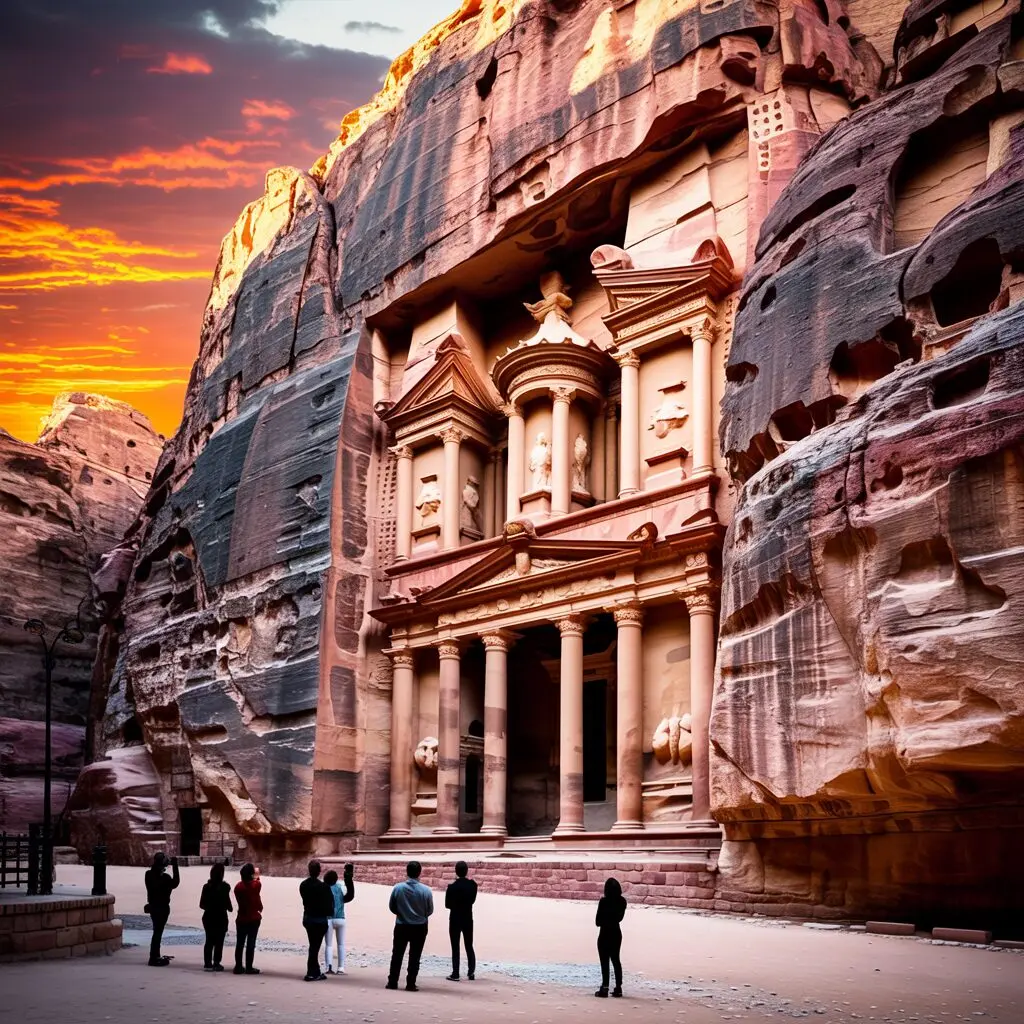
- Petra in summer: start hiking at 5:30-6 AM, leave by noon
- Wadi Rum overnight camps: hot days but evenings are cool and stargazing is spectacular
- Lower hotel rates at major sites
- Jerash Festival: annual cultural festival in July-August – unique if you can handle the heat
Summer works for travelers primarily interested in Aqaba diving/snorkelling or Dead Sea relaxation, where the heat is expected and enjoyable.
Autumn: September – November (Excellent)
Autumn rivals spring as a top visiting season:
- Temperatures drop from summer highs; October typically 22-30°C – very pleasant
- Less crowded than spring, especially October and November
- Excellent for hiking in Petra, Wadi Rum, and Dana
- Some September days can still be hot (especially early month)
- October is arguably the single best month to visit Jordan – fewer crowds, ideal temperatures
Winter: December – February (Underrated)
Winter in Jordan is colder than many visitors expect but has its own rewards:
- Petra highland temperatures: 5-15°C daytime; occasionally snows (magical but dress warmly)
- Wadi Rum: cold nights (near 0°C), crisp clear days with stunning light
- Dead Sea and Aqaba: 20-25°C – genuinely warm and perfect for swimming
- Virtually no crowds at major sites – often almost alone at Petra
- Cheapest hotel rates of the year
- Shorter daylight hours limit hiking time
Winter is ideal for travelers who hate crowds and are visiting primarily for Aqaba diving or Dead Sea experiences, or who want Petra entirely to themselves.
Month-by-Month Quick Reference
| Month | Amman Temp | Crowd Level | Verdict |
|---|---|---|---|
| January | 4-12°C | Very low | Good for Aqaba; cold in highlands |
| February | 5-14°C | Low | Almond blossoms; still cool |
| March | 9-19°C | Medium | Excellent start of season |
| April | 13-24°C | High | Best month overall |
| May | 18-29°C | Medium-High | Still very good; getting warm |
| June | 22-33°C | Low-Medium | Getting hot; early starts essential |
| July | 24-36°C | Low | Hot; Jerash Festival |
| August | 24-36°C | Low | Hottest month; avoid hiking midday |
| September | 22-32°C | Medium | Transitional; improving late month |
| October | 17-27°C | Medium | Best autumn month; ideal |
| November | 11-20°C | Low | Good; fewer crowds |
| December | 6-14°C | Very low | Cold in highlands; excellent for Aqaba |
Best Time for Specific Activities
- Petra hiking: March-May, October-November
- Wadi Rum camping: March-May, September-November (warm days, cool nights)
- Dead Sea floating: Year-round (warmer in summer; busy in spring/autumn)
- Aqaba diving: Best visibility October-May; all year possible
- Jerash day trip: March-May, October (avoid summer midday heat)
- Amman city exploring: Year-round; spring and autumn most pleasant
- Budget travel: December-February for lowest prices
Ramadan Considerations
Ramadan timing shifts annually (lunar calendar). During Ramadan:
- Many restaurants close during daylight hours
- Eating and drinking openly in public is disrespectful and can cause offense
- A festive, quiet atmosphere in the evenings (iftar is a communal meal after sunset)
- Most tourist attractions remain open
- Hotels and tourist restaurants in major cities usually maintain normal service
Check Ramadan 2026 dates before planning – it shouldn’t put you off visiting, but requires some adjustment.
Frequently Asked Questions
What is the absolute best month to visit Jordan?
April is generally considered the best single month: temperatures are ideal (13-24°C in highlands), wildflowers are blooming, and the days are long. October is a close second with fewer crowds and similar temperatures.
Can I visit Petra in winter?
Yes. Winter visits to Petra offer the magical possibility of snow-dusted ancient ruins with almost no crowds. Temperatures can drop below 5°C, so pack warm layers. Shorter daylight hours mean you need to be efficient. Many visitors find winter Petra unforgettable.
Is summer too hot for Jordan?
For hiking at Petra and Jerash in summer, yes – midday is brutal. But with 5 AM starts, air-conditioned accommodation, and focus on Aqaba and Dead Sea activities, summer is manageable. Just avoid peak sun hours for any strenuous outdoor activity.